

Cost Benchmarking vs Cost Estimating: Key Differences Explained
TL;DR: Cost benchmarking compares your spending to industry peers or historical data to identify efficiency gaps, while cost estimating predicts the resources and budget needed for a specific project. Cost benchmarking vs cost estimating is not about one being better; they serve different functions. Benchmarking highlights improvement opportunities and cost performance trends, while cost estimating prepares accurate budgets and supports risk mitigation strategies. Using both approaches together strengthens your cost management framework, enhances transparency, and empowers project teams with insight for better outcomes.
Introduction: Why Benchmarking and Estimating Matter for Project Success
Project budgets often slip out of control, even for experienced project managers in fields like construction projects or major infrastructure builds. With data spread across different business units and rising pressure to deliver, managing project costs and ensuring cost efficiency require a data-driven, structured approach. When every dollar counts, lacking a robust cost management framework quickly turns minor overruns into major financial pitfalls.
In today's competitive construction industry and fast-moving markets, tracking actual costs and maintaining cost performance have become more complex. Industry standards keep evolving, market conditions fluctuate, and internal benchmarking among business units or external benchmarking against industry peers is vital for continuous improvement. Without strong cost data, project teams risk unexpected cost outliers and missed targets.
That’s where robust cost estimating and a comprehensive benchmarking process step in. Tools like CostOS streamline tasks for project managers, turning scattered data into actionable insights. Understanding the difference between cost benchmarking vs cost estimating, and how each method supports project management, lays the foundation for transparency, accountability, and better results.
Defining Cost Benchmarking: A Structured Approach for Project Cost Performance
Cost benchmarking is a powerful tool for evaluating and improving cost performance. It provides a structured way to compare actual costs for construction projects or business units against established industry benchmarks, historical data, or similar projects. By analyzing cost data across external and internal sources, organizations can track key performance indicators, identify variances, and spot inefficiencies early.
As MetricNet explains, cost benchmarking works much like a diagnostic scan for your entire project portfolio. It enables project teams to identify opportunities for improvement, detect underperforming areas, and achieve greater cost efficiency. The benchmarking process should be integrated into your overall cost management framework for maximum value and continuous improvement.
Data is at the heart of benchmarking. Collecting, cleaning, and analyzing cost data from internal records, external industry peers, and published standards is essential. Digital cost benchmarking tools like Cosmo can automate much of the benchmarking process, ensuring that comparing performance against market conditions is easy and consistent.
Organizations typically use two approaches:
- Internal benchmarking: Compares project costs or cost performance metrics across different business units within the same organization, enabling continuous improvement.
- External benchmarking: Focuses on comparing costs with industry competitors or leading organizations, validating market competitiveness.
By leveraging both internal and external benchmarking, mature organizations can validate their cost performance, improve profitability, and ensure value for money.
Defining Cost Estimating: Predictive Methods for Accurate Cost Control
Cost estimating is the process of predicting the true cost of a specific construction project, product, or service. Unlike benchmarking, which compares costs, cost estimating focuses inward. It analyzes every cost model, from labor and materials to overhead and profit margins, for accurate budgeting and risk mitigation.
According to Nomitech, effective cost estimation creates a financial roadmap, empowering project managers to make informed, data-driven decisions about resource allocation, risk management, and contingency planning. Accurate cost estimates are critical for early planning, securing project funding, and setting a realistic baseline for controlling costs throughout the project lifecycle.
Common cost estimating techniques include:
- Should Costing: Used to determine what a project or component should cost under optimal conditions, supporting supplier negotiations and identifying cost reduction opportunities.
- Zero-Based Costing: Justifies every cost from zero, ensuring that project costs are necessary and optimized.
- Activity-Based Costing: Allocates indirect costs based on activities, revealing high-cost drivers for targeted control.
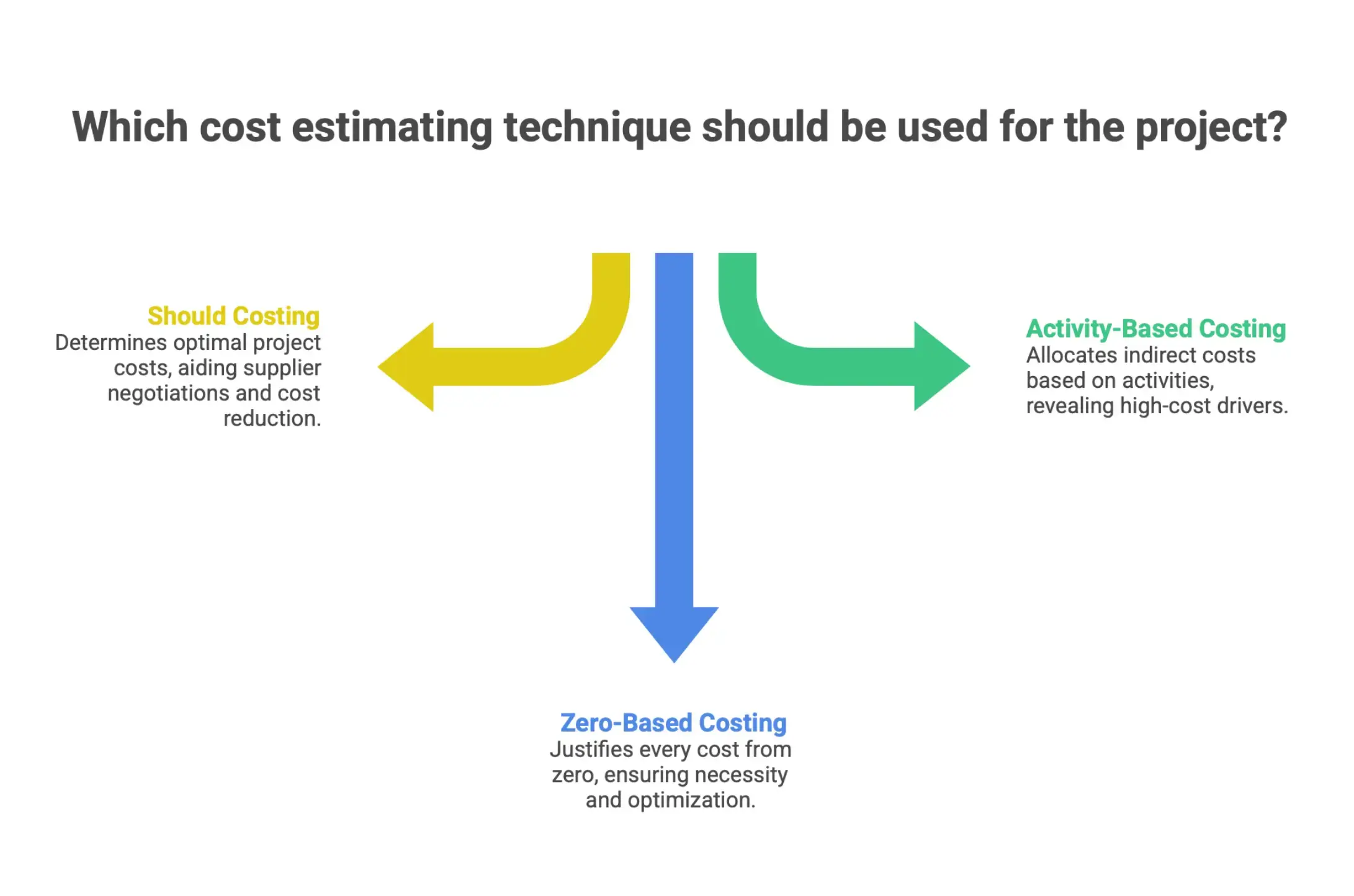
Cost estimation identifies potential financial pitfalls, improves decision making, and allows for detailed forecasting, especially in complex construction projects where scope, materials, and market conditions can change rapidly.
For complex projects, integrating historical data into cost models enhances estimate accuracy and aligns budgets with actual costs experienced on similar projects in the past.
Cost Benchmarking vs Cost Estimating: Core Differences and Strategic Use Cases
Understanding the strategic differences between cost benchmarking vs cost estimating enables project managers and teams to optimize both methods for maximum value.
Purpose and Use Cases: From Budgeting to Comparing Performance
- Cost benchmarking focuses on comparing project costs, cost performance, and key performance indicators across different business units, industry leaders, or external benchmarks. It helps organizations identify areas for improvement, track progress, and set actionable targets for cost management and efficiency.
- Cost estimating is essential for setting an accurate project budget, predicting total cost, and identifying potential financial pitfalls upfront. Estimation techniques such as Should Costing or Activity-Based Costing improve predictive accuracy and underpin informed decisions throughout the project’s life cycle.
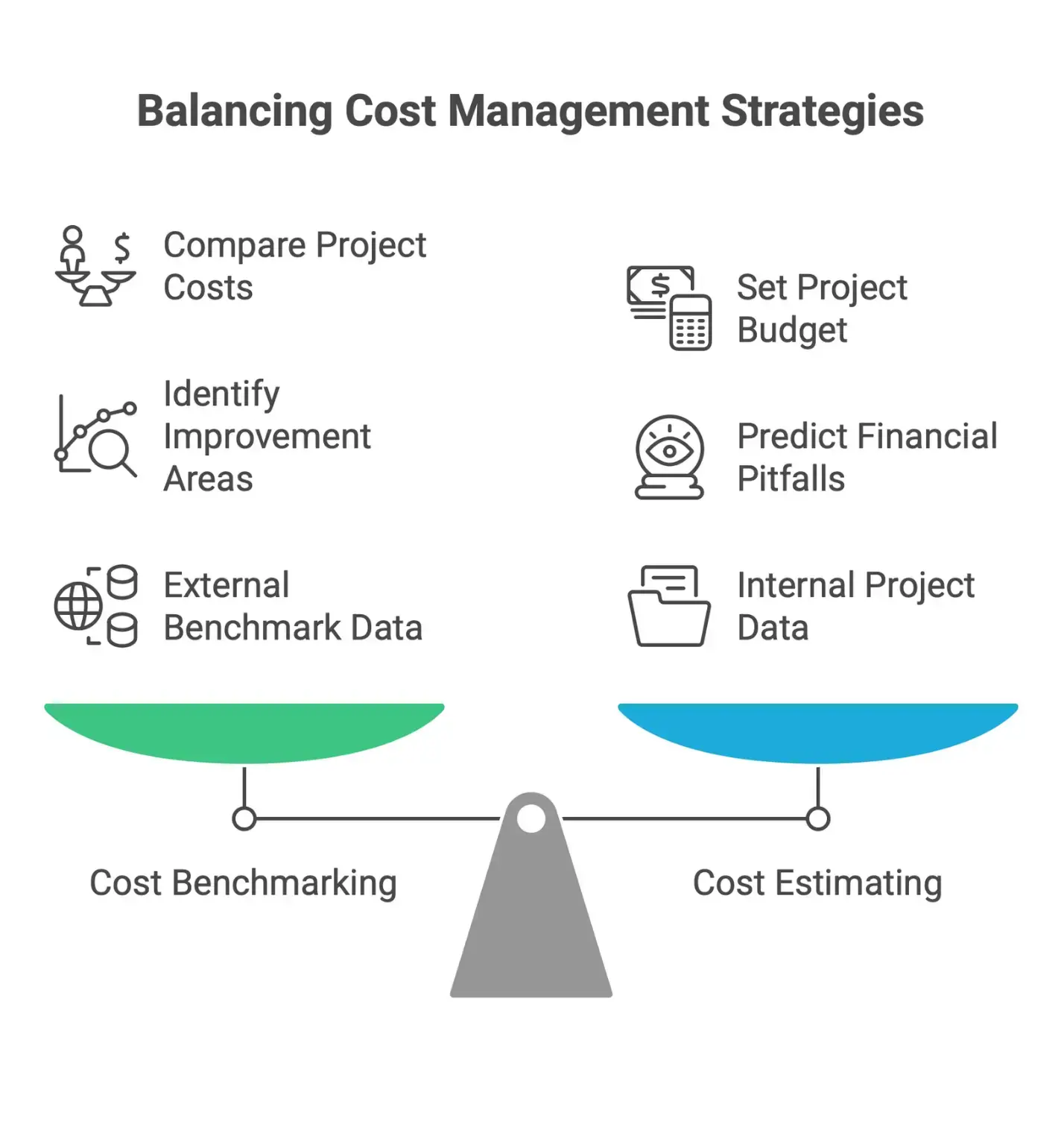
Project managers often use benchmarking for regular performance reviews, ensuring that costs stay competitive, while reserving cost estimating for project initiation when critical funding and resource decisions take place. Both are best deployed as part of an integrated cost management framework.
Methodology and Data Requirements: Ensuring Comparability and Transparency
- Cost benchmarking relies on broad, normalized cost data, pulling from internal historical data, industry standards, and market trends. To ensure comparability, costs are adjusted for differences in project size, scope, and delivery method.
- Cost estimating relies on granular, project-specific inputs: line-item detail, detailed cost models, and real-time price information for labor, equipment, and materials. Accuracy depends on quality of process, analyzing every relevant factor that could impact costs and profitability.
Integrating historical data and comparing performance against industry standards enables project teams to achieve continuous improvement in cost management. Used together, benchmarking and estimating support both a reality check and robust risk mitigation.
Types and Tiers of Cost Benchmarking: Internal, External, Basic, and Full Approaches
Choosing the right benchmarking process depends on your organizational maturity and project requirements. The construction industry and other major sectors typically apply these benchmarking methods:
Internal Benchmarking vs External Benchmarking
- Internal benchmarking: Measures cost performance, processes, and project costs between different business units or similar projects within a single organization. This approach supports continuous improvement and reveals best practice across teams.
- External benchmarking: Compares costs and performance metrics with outside organizations. This broad market perspective ensures competitiveness and highlights where market conditions may require changes.
Organizations often use both approaches: internal benchmarking to drive in-house efficiency, and external benchmarking to ensure market alignment.
Basic vs Full Cost Benchmarking: Depth of Analysis
- Basic cost benchmarking delivers rapid, high-level comparisons. It is ideal for initial sense-checks or feasibility reviews. Basic benchmarking is common in early-stage scoping or for companies new to cost benchmarking.
- Full cost benchmarking digs deeper, producing detailed breakdowns, historical comparisons, and granular cost data analysis across all project elements. This method supports major projects, strategic cost reductions, and thorough due diligence.
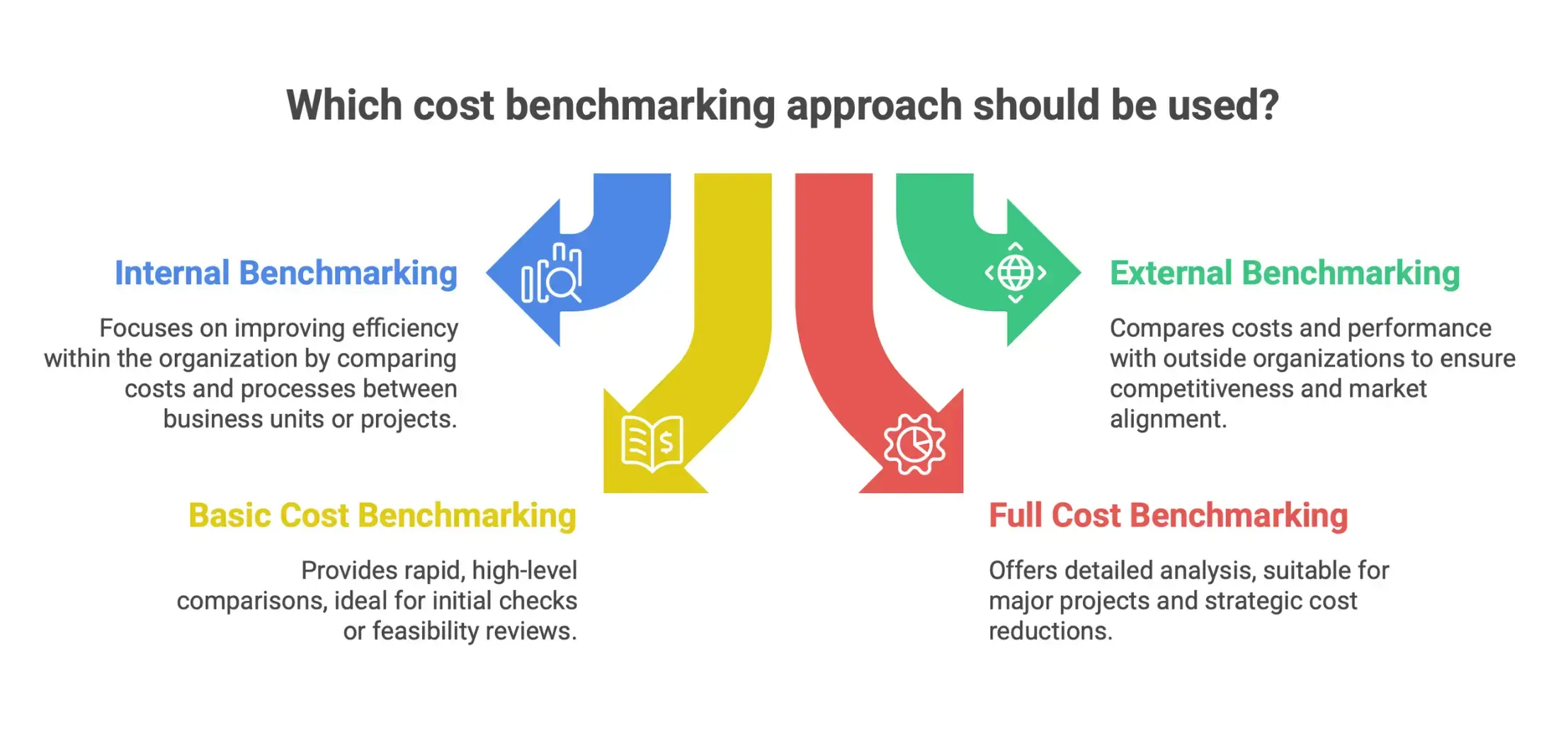
Platforms like Nomitech’s suite accommodate both types, making it easy for project teams to select the right level based on project scope and decision-making requirements.
The Benchmarking Process: From Data Collection to Continuous Improvement
Implementing an effective benchmarking process combines best practice with awareness of common pitfalls. Here’s how to maximize value:
- Define the scope and objectives: Clarify what costs, processes, or performance metrics will be compared. Be specific about construction projects or business units.
- Gather and standardize cost data: Collect relevant cost data, normalize it for comparability, and ensure accuracy using structured methodologies.
- Analyze benchmarks and industry standards: Use digital tools or external databases to streamline analysis and surface cost differences clearly.
- Compare actual costs vs target metrics: Identify variances, highlight progress, and flag cost outliers for further investigation.
- Integrate with cost management framework: Ensure benchmarking is not a one-off event but embedded into ongoing performance measurement and continuous improvement cycles.
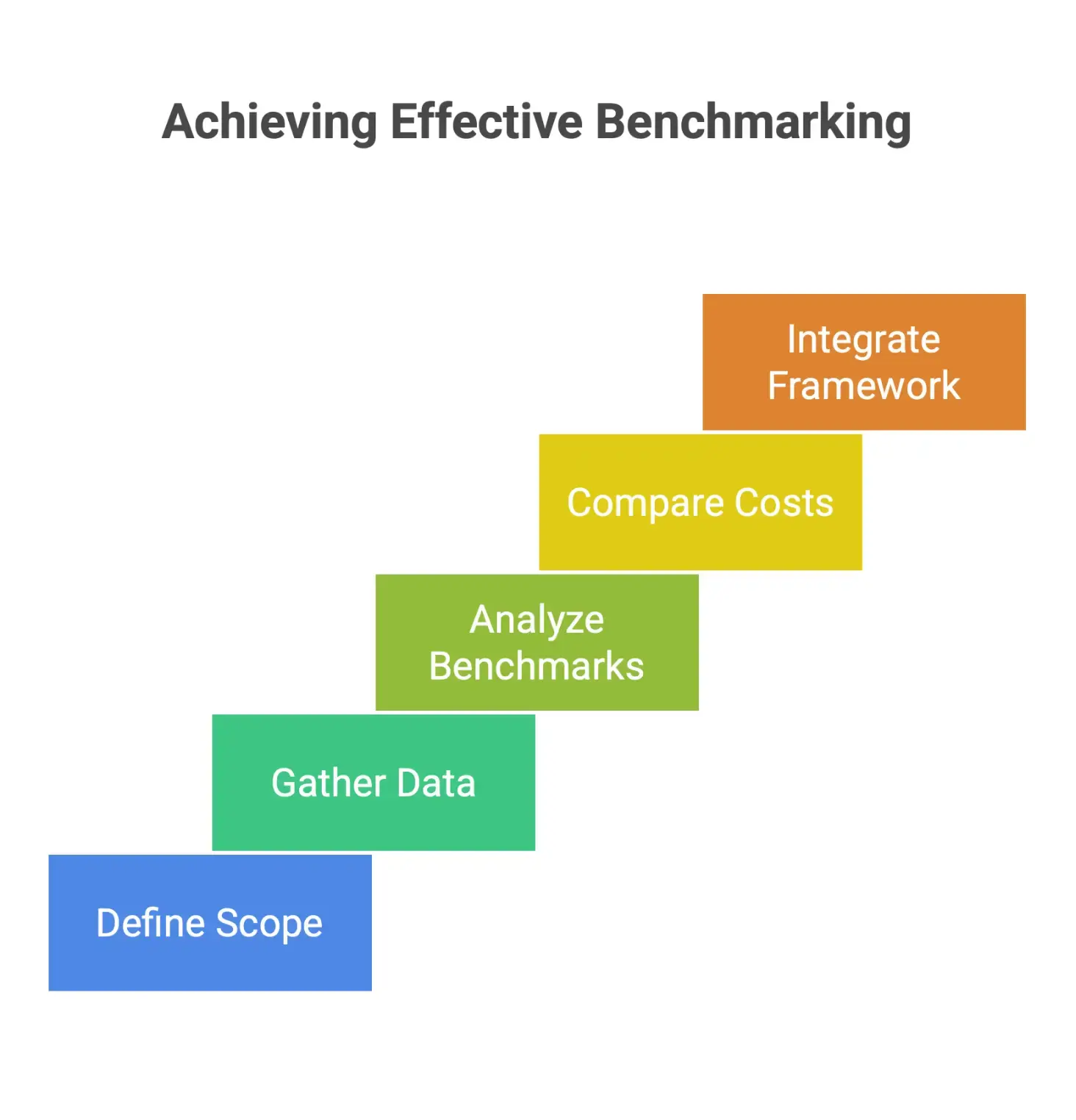
Continuous monitoring is especially important in construction projects. It ensures internal costs remain aligned with external benchmarks as market conditions change over time.
Cost Estimating Techniques and Best Practice in Project Planning
Accurate cost estimating is at the heart of effective project management. Best practice goes beyond generating a number; it uses historical data and industry standards for refined cost models. Leveraging the right process supports early planning, resource allocation, and risk mitigation.
Supporting Project Budgeting, Funding, and Decision-Making
According to Cost Logic, robust estimation pays off early by setting credible budgets, reducing unpleasant surprises, and making project success more attainable.
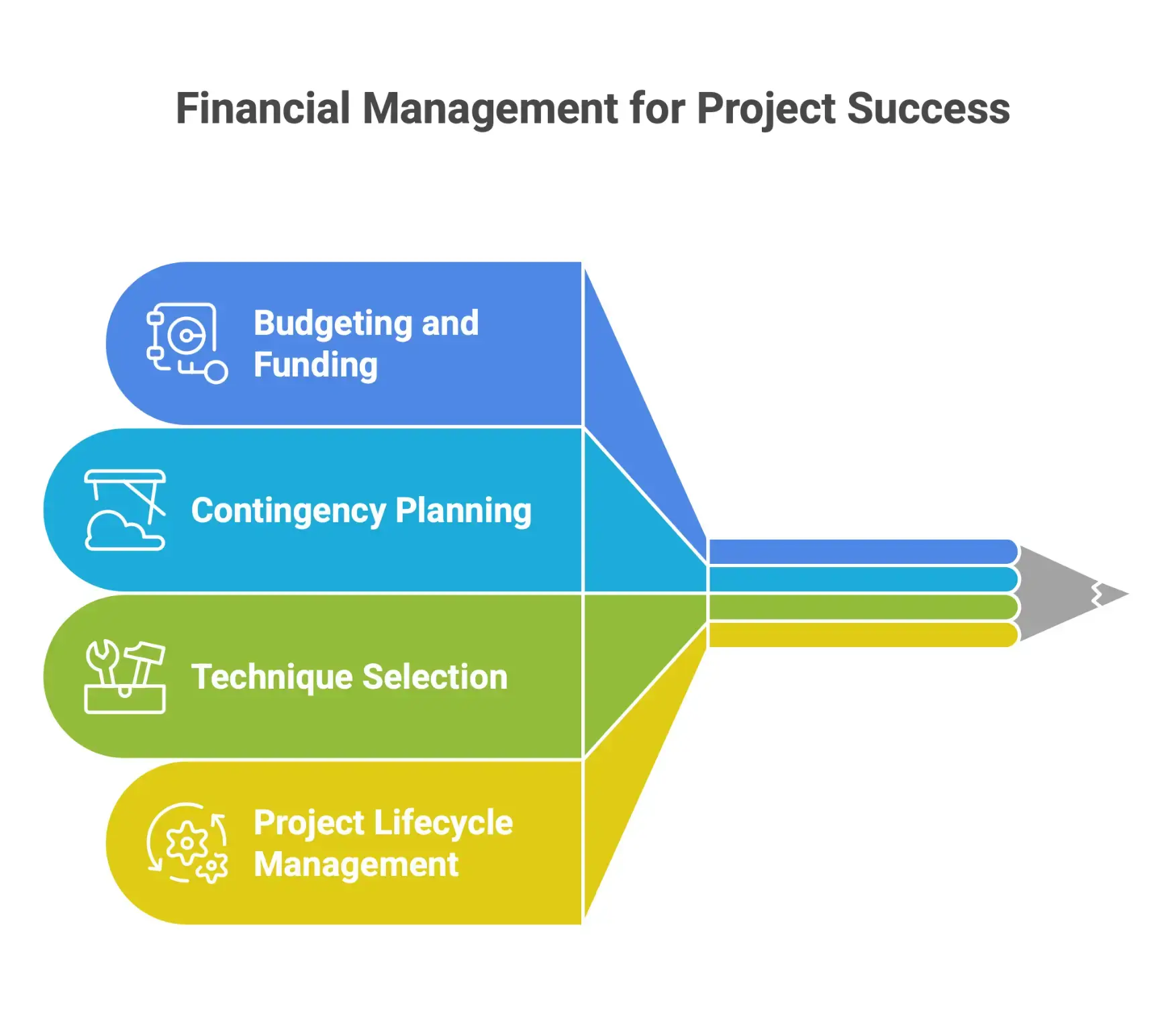
Key facts and benefits include:
- Budgeting and funding: Cost estimating establishes the baseline for budget control, supports financing negotiations, and helps set realistic cash flow forecasts.
- Contingency planning: By identifying potential financial risks and cost drivers, early estimates allow teams to account for uncertainty and adjust plans as needed.
- Technique selection: Methods like Should Costing, Zero-Based Costing, and Activity-Based Costing offer options for improving cost accuracy and financial transparency.
- Project lifecycle management: Well-executed cost estimating empowers project teams to make informed, data-driven decisions from feasibility through execution to closeout.
For guidance on digital estimating tools and how they streamline estimation accuracy, refer to this guide to cost estimating tools.
Integrating benchmarking results enhances estimation, providing reference points that ensure budget targets are not only achievable but truly competitive.
Cost Benchmarking vs Cost Estimating in Construction Projects
Both cost benchmarking and cost estimating are critical pillars of project management in the construction industry.
- Cost benchmarking in construction enables project teams to compare actual costs against industry standards, historical data, and similar projects. This reveals cost differences and opportunities for cost reduction. It also supports cost transparency, which is a key requirement for regulated sectors.
- Cost estimation for construction projects relies on detailed cost models based on materials, labor, and production costs, ensuring budgets are realistic and adjusting for unique market conditions.
By applying both methods together, construction companies gain comprehensive control. Benchmarking offers a reality check and supports continuous improvement, while estimating builds practical project budgets and forecasts.
How Benchmarking and Estimating Work Together for Strategic Cost Management
Mature organizations leverage both approaches for comprehensive cost management. Benchmarking gives context and identifies best practice, while estimating turns scope and requirements into defensible, actionable budgets.
Using both cost benchmarking and cost estimating together enables project managers to validate budget assumptions, identify improvement opportunities, and adjust to external market conditions in real time.
For example, Enbridge implemented a digital estimation platform integrated with benchmarking capabilities. This enhanced transparency and supported continuous improvement across multiple major projects.
Frequently Asked Questions
What is the main difference between cost benchmarking vs cost estimating?
Cost benchmarking evaluates your actual costs or project costs against industry standards, historical data, or peer organizations to spot inefficiencies. Cost estimating predicts the likely expenses for a specific construction project by analyzing detailed requirements and creating project-specific cost models.
When should my team use cost benchmarking versus cost estimating?
Use cost benchmarking for performance reviews, to identify cost differences, and to ensure your spending aligns with industry standards or market trends. Use cost estimating at the start of new projects to set defensible budgets, secure funding, and plan for cost control throughout the project.
What type of data does each process require?
Cost benchmarking requires broad, normalized cost data such as averages, industry benchmarks, and standard metrics that allow comparing performance across different projects or business units. Cost estimating focuses on detailed line items, such as labor rates, material takeoffs, and activity-based costing tailored to your project.
Can benchmarking and estimating be used together?
Yes. Cost benchmarking vs cost estimating is not an either/or proposition. Benchmarking validates your cost management framework and spots improvement opportunities. Estimating turns requirements into actionable budgets and forecasts. Together they provide perspective and precision for better decision making.
What are the typical approaches to cost benchmarking?
Organizations usually apply two primary benchmarking process types: internal benchmarking for comparing business units and driving continuous improvement, and external benchmarking for gauging competitiveness with industry leaders and peers.
What is the role of historical data in benchmarking and cost estimation?
Historical data plays a crucial role by providing reference points for benchmarking and feeding accurate figures into cost models for estimation. It helps identify cost outliers, support budget validation, and reveal trends or inefficiencies across project cycles.
Conclusion
Understanding the strategic differences between cost benchmarking vs cost estimating allows organizations and project teams to establish cost transparency, maintain competitive budgets, and support continuous improvement across all project phases. Benchmarking methodically compares your performance and costs to industry standards, revealing gaps and setting improvement targets. Estimation drills into project specifics, building accurate forecasts for budgets and resource allocation.
Combining both approaches in construction projects or major infrastructure efforts creates a robust cost management framework. You achieve data-driven decision making, adaptability to market conditions, and sustainable project success.
Ready to Take the Next Step?
If you’re exploring modern cost estimation platforms or tools to support your cost benchmarking and estimation efforts, visit Nomitech’s full suite or get in touch with our team for tailored advice on optimizing your workflows.





Stay Up to Date
Subscribe to our Newsletter today and receive the latest updates, trends, expert insights, and exclusive offers tailored to your specific industry.